24/7 Emergency Water Damage & Sewage Cleanup in Chicago
Immediate 30-to-45 minute emergency on-site response for basement flooding, sewage line backups, and burst pipes across the Chicago Metro area. 100% Direct Insurance Billing Assistance.
What Water Emergency Are You Facing Right Now?
Click below to dispatch specialized crews trained for Chicago's specific sewer grids, freeze events, and basement structures.
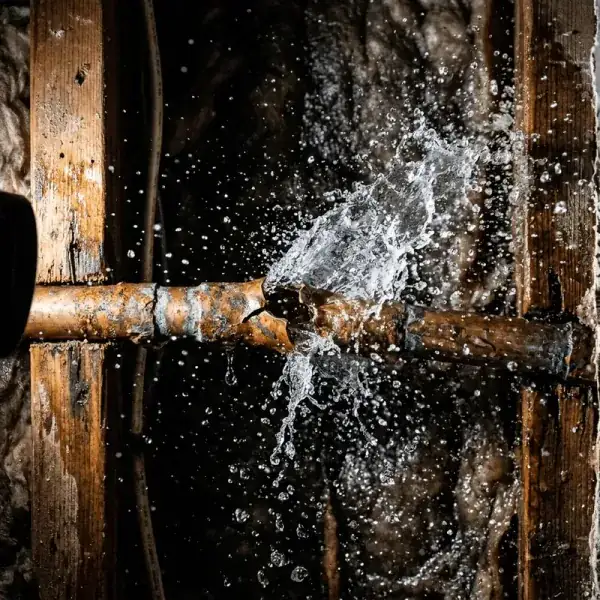
Burst Pipe Water Extraction
Rapid water shutoff, ceiling/wall cavity drying, frozen pipe thaw & repair response.
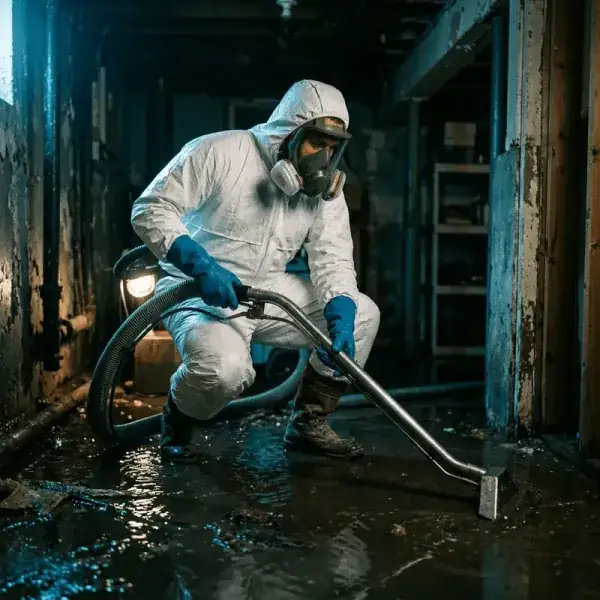
Sewage Backup Cleanup
Biohazard extraction, antimicrobial sanitization, and basement sewer line backup decontamination.
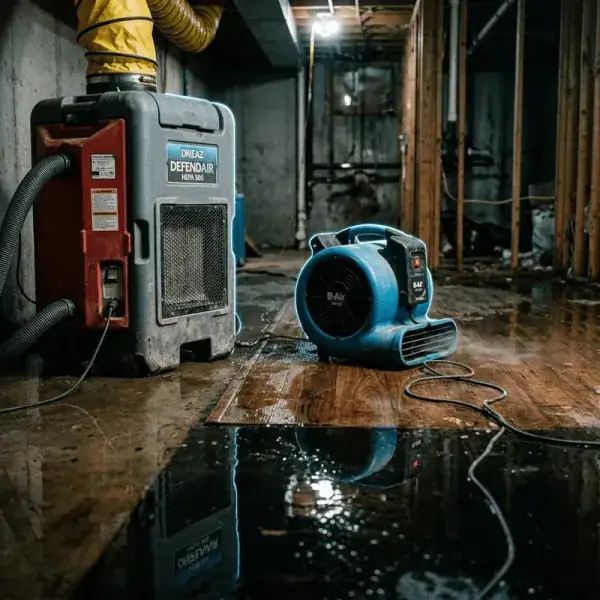
Basement Flood Cleanup
Sump pump failure resolution, heavy rainstorm groundwater removal, deep structural drying.
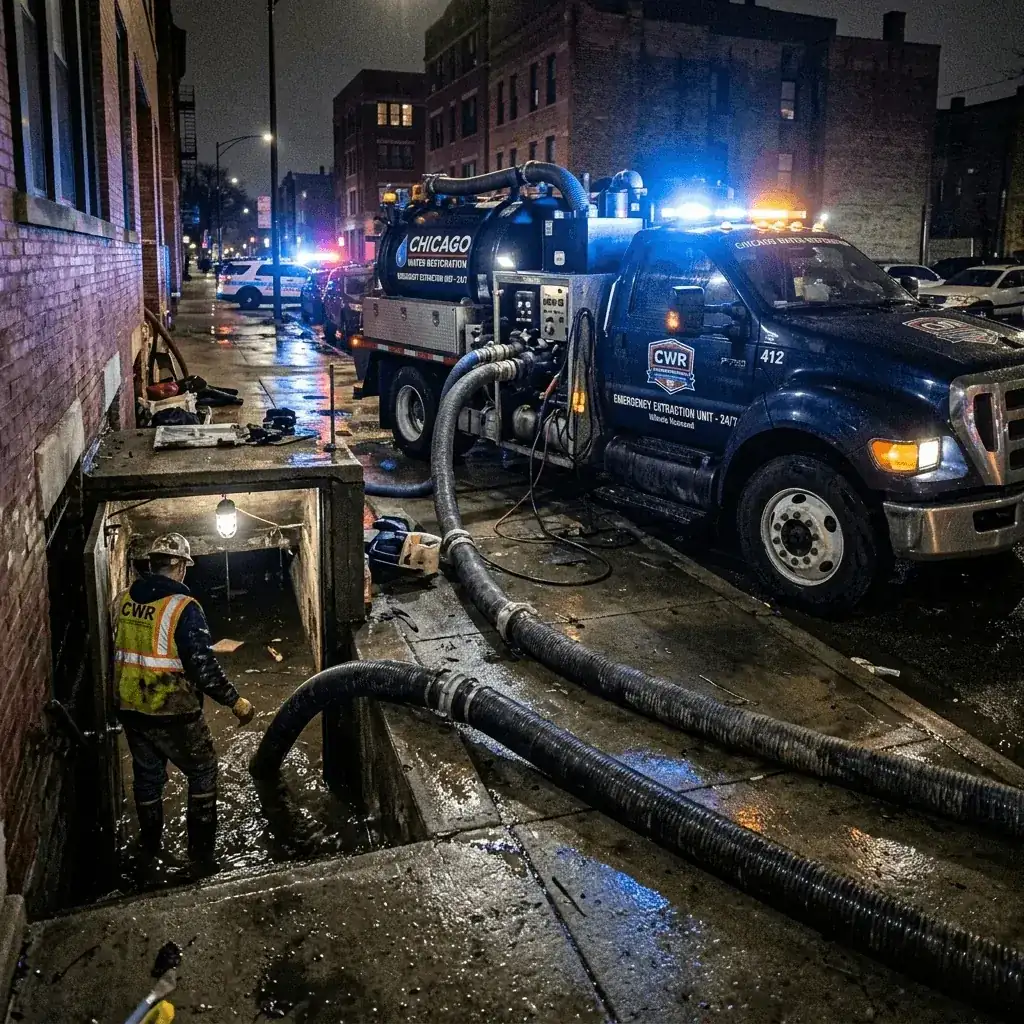
Emergency Water Extraction
Truck-mounted high-volume pumps, thermal leak detection, and 24/7 commercial & residential response.
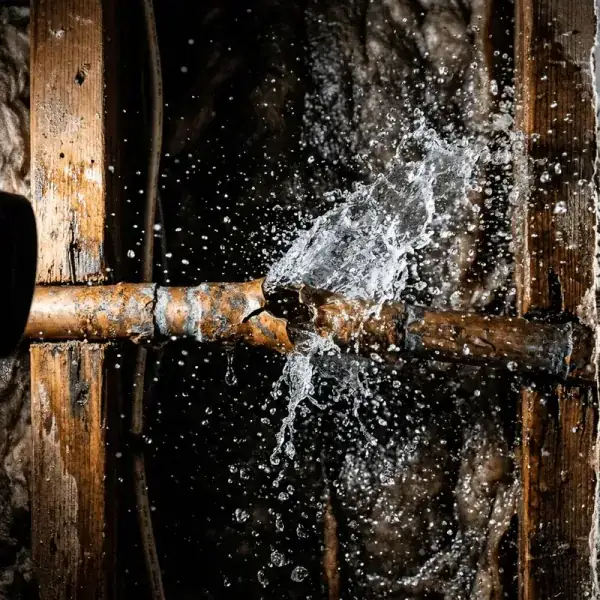
Ceiling & Wall Water Leak Repair
Rapid ceiling leak containment, drywall collapse prevention, upstairs leak isolation, and infrared thermal detection.
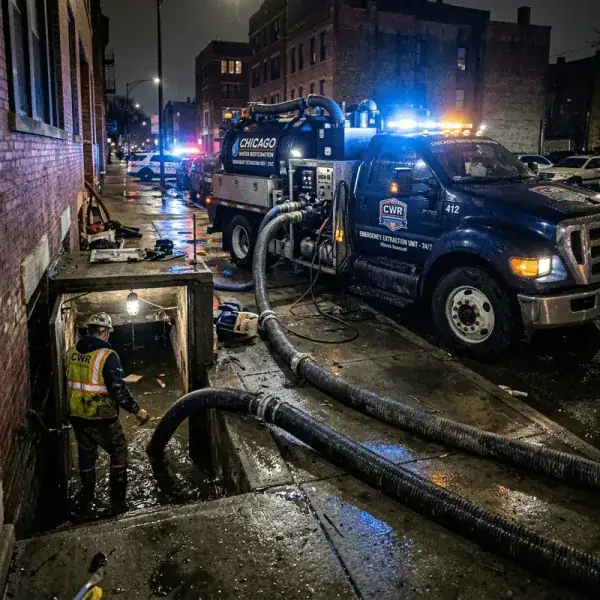
Hardwood Floor Injection Drying
Non-invasive Injectidry vacuum mat technology to extract subfloor moisture and prevent permanent plank cupping.
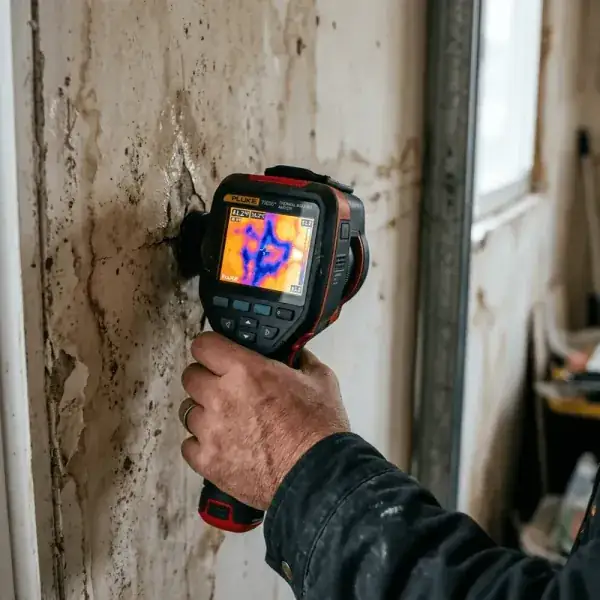
Structural Drying & Dehumidification
Industrial LGR dehumidifiers, high-velocity air movers, and psychrometric moisture logging to prevent toxic mold.
Insurance Documentation & Claims Support
Dealing with water damage can be stressful. Depending on the independent provider you are connected with, insurance-related support may include comprehensive moisture mapping logs, photographic damage records, and itemized scope documentation to help with your claim filing. Insurance coverage, deductibles, and billing arrangements vary by provider and policy terms.
Chicago’s Rapid Response Water & Biohazard Team
Chicago properties face unique water risks—from 100-year-old combined sewer grids backing up into Logan Square basements during heavy summer downpours, to sub-zero polar vortex freezes bursting pipes in Lincoln Park brownstones.
Deep Freeze & Sub-Level Basement Expertise
Specialized containment for Chicago garden units, finished basements, and freeze-thaw pipe ruptures.
Industrial Drying & Moisture Mapping
FLIR thermal imaging cameras pinpoint hidden moisture pockets behind drywall before mold takes root.
Category 3 Biohazard Sanitization
EPA-registered hospital-grade antimicrobials eradicate E. coli and harmful pathogens instantly.
How Our 45-Minute Emergency Response Works
When water or sewage strikes, seconds count. Here is our step-by-step containment protocol.
24/7 Immediate Phone Dispatch
Speak directly with our local Chicago dispatcher. We assess your emergency type, provide immediate safety steps, and instantly route the closest emergency truck to your address.
On-Site Containment & Source Shutoff
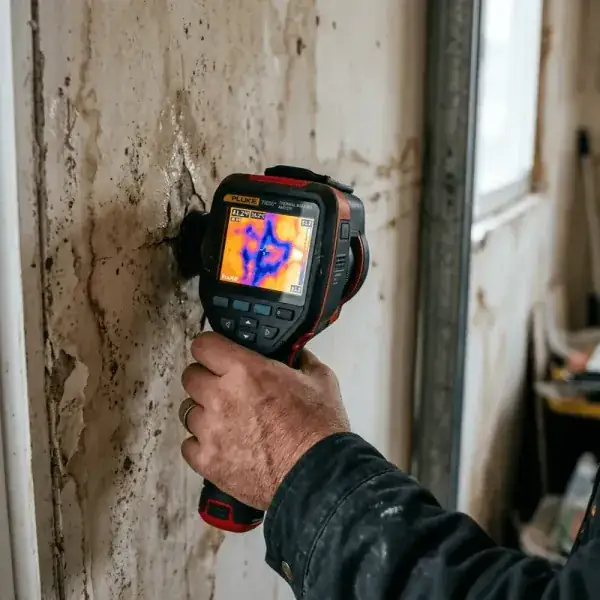
Crews arrive on-site with truck-mounted extractors. We perform immediate main water valve shutoffs, locate hidden moisture pockets via thermal imaging, and contain sewage biohazards.
High-Volume Extraction & Structural Drying
Industrial pumps remove standing water. Dehumidifiers, HEPA scrubbers, and antimicrobial sprays eliminate bacteria, prevent mold growth, and dry subfloors and drywall cavities.
Insurance Documentation & Restoration
We photograph damage, measure moisture levels, create itemized scope reports, and submit the entire bill directly to your insurance policy adjuster.
Serving All Chicago Neighborhoods & Suburbs 24/7
Our rapid response vehicles are strategically staged across Cook County, DuPage County, and Lake County for targeted arrival within 45 to 60 minutes of your call.
Frequently Asked Emergency Questions
How quickly can a water extraction crew reach my Chicago property?▾
Our local emergency dispatch team targets rapid on-site arrival within 30 to 45 minutes anywhere across the Chicago metro area, Evanston, Oak Park, and Cook/DuPage suburbs, 24 hours a day, 7 days a week, 365 days a year.
What should I do immediately while waiting for your emergency team to arrive?▾
- Turn off your main water shutoff valve immediately if safely accessible.
- Shut off electricity at the main breaker to flooded areas to eliminate electrocution hazards.
- Avoid contact with standing water or sewage (Category 3 biohazard contamination).
- Take photos and videos of standing water and affected belongings for insurance claims documentation.
Why is sewage backup considered a Category 3 Biohazard emergency?▾
Sewage water is a Category 3 Biohazard (Black Water) containing dangerous pathogenic micro-organisms: E. coli, Salmonella, hepatitis viruses, parasites, and toxic airborne gases.
Contact or inhalation can cause severe illness. Standard household cleaning is insufficient—EPA-registered antimicrobial decontamination is mandatory.
Why is professional sewage cleanup mandatory instead of DIY cleaning?▾
Raw sewage saturates porous concrete subfloors, wood framing, and drywall cavities. Standard household bleach cannot penetrate porous substrates to eradicate deep-seated pathogens.
Our technicians use EPA-registered industrial antimicrobials and high-capacity thermal drying equipment to completely decontaminate and sanitize the structure.
What causes basement flooding in Chicago?▾
Chicago basements flood primarily due to aging combined municipal sewer mains that surcharge during heavy rainstorms, sump pump mechanical or power failures, high water tables exerting hydrostatic groundwater pressure through foundation floor joints, and interior plumbing failures such as ruptured water heater tanks or washing machine hoses.
What should I do immediately if my basement floods?▾
- Stay out of standing water if electricity, outlets, or extension cords may be submerged (electrocution hazard).
- Shut off electricity at the main breaker box only if safely accessible from a dry, dry-footed location.
- Stop the water source if safe to do so (shut off your property's main water valve for plumbing leaks).
- Move valuables, furniture, and boxes to upper floors away from standing water.
- Never use a standard household vacuum or extension cords in standing floodwater.
- Call 24/7 emergency dispatch immediately for professional extraction before mold develops.
Will homeowners insurance pay for sewage backup and flooded basement cleanup?▾
Yes! Most homeowners insurance policies cover sudden water damage from burst pipes, water heater leaks, and sewer backups (with sewer endorsement rider). We work directly with all major insurance carriers to process claims with hassle-free coordination.
How does direct insurance billing work for water damage claims?▾
Under standard Illinois insurance policy terms, we submit moisture logs, thermal infrared documentation, and industry-standard Xactimate line-item invoices directly to your insurance adjuster so your insurance company pays us directly.
What Chicago neighborhoods and suburbs do you serve?▾
We serve 100% of Chicago including Downtown/Loop, Lincoln Park, Lakeview, Logan Square, River North, Wicker Park, Hyde Park, Bridgeport, and surrounding Cook & DuPage suburbs including Evanston, Skokie, Oak Park, Naperville, and Schaumburg.
Are your water restoration technicians licensed, bonded, and certified?▾
Yes, all our emergency response field technicians are fully licensed, bonded, insured, and certified by the IICRC (Institute of Inspection Cleaning and Restoration Certification) in Water Damage Restoration (WRT) and Applied Structural Drying (ASD).
Water Creeping In? Don't Wait — Minutes Count!
Standing water causes structural decay and mold growth within 24 hours. Call our 24/7 Chicago dispatch hotline right now.